Buyer’s Comparison Guide: UHMWPE Medical Implants
In the evolving landscape of medical technology, ultra-high-molecular-weight polyethylene (UHMWPE) medical implants have emerged as a crucial component due to their robust strength and compatibility with the human body. Able to withstand loads up to 1.5 GPa, UHMWPE is frequently utilized in joint replacements. This guide offers an in-depth comparison of UHMWPE grades, explores its advantages over alternative materials, and outlines criteria for selecting the best options for various applications. For detailed insights, refer to this comprehensive guide on UHMWPE medical implant from China.
Evaluating UHMWPE Medical Implants
Why Choose UHMWPE for Implants?
The appeal of UHMWPE in medical implants lies in its impressive resistance to abrasion, minimal friction, and its biocompatible nature. These qualities help reduce wear and particle generation in joint replacements, thus prolonging implant lifespan. UHMWPE’s certification under ISO 5834 for its durability makes it a favored choice for orthopedic uses.
Technical Characteristics of UHMWPE
UHMWPE is distinguished by a tensile strength range of 0.9 to 1.5 GPa and can sustain elongation at break up to 350%. With a density of about 0.93-0.94 g/cm³, UHMWPE provides a lightweight yet sturdy solution for load-bearing medical devices, outperforming many other polymers.
Applications of UHMWPE in Medicine
Widely used in hip and knee replacements, UHMWPE’s wear resistance and ability to decrease joint surface friction extend implant longevity, lowering the frequency of revision surgeries. These qualities are essential for healthcare providers aiming for superior patient outcomes and durable implant performance.
Comparing Grades of UHMWPE
Differences Between UHMWPE Grades
Various UHMWPE grades, including GUR 1020 and GUR 1050, exhibit distinct performance traits. GUR 1050, with its higher molecular weight, offers superior wear resistance, making it suitable for demanding applications. According to ASTM F648, analyzing tensile strength and elongation properties is vital for selecting the appropriate grade for specific medical purposes.
Choosing the Right Grade for Medical Use
When selecting UHMWPE for implants, consider tensile strength, elongation capability, and adherence to ISO 5834 standards. Ensuring that suppliers provide a Certificate of Analysis (COA) is crucial for verifying material authenticity and quality.
Comparative Analysis of UHMWPE Grades
| Grade | Tensile Strength (GPa) | Elongation (%) | Application Suitability |
|---|---|---|---|
| GUR 1020 | 0.9 | 300 | Standard implants |
| GUR 1050 | 1.5 | 350 | High load-bearing implants |
| GUR 1120 | 1.3 | 325 | Orthopedic applications |
| GUR 4150 | 1.2 | 310 | Custom medical devices |
Featured UHMWPE Medical Implant Offerings
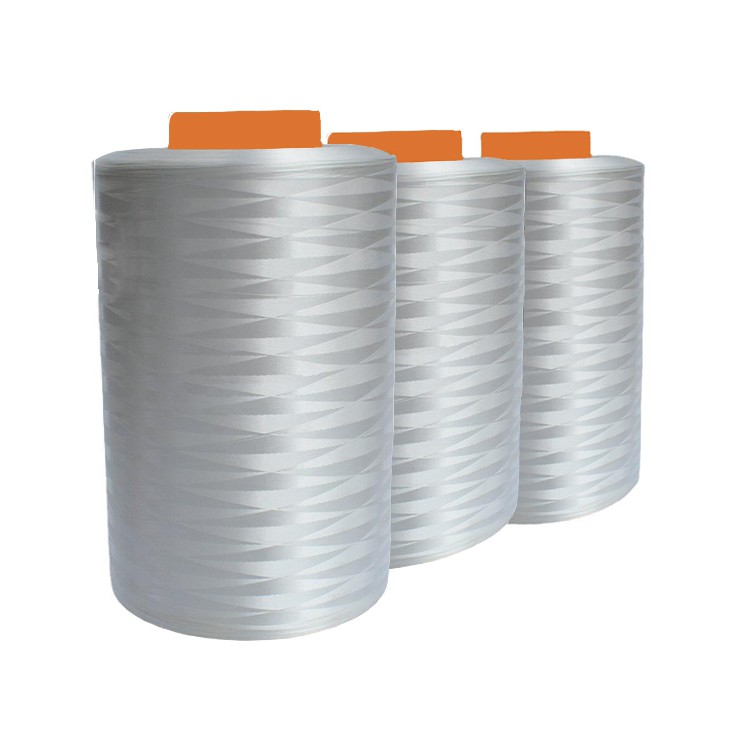
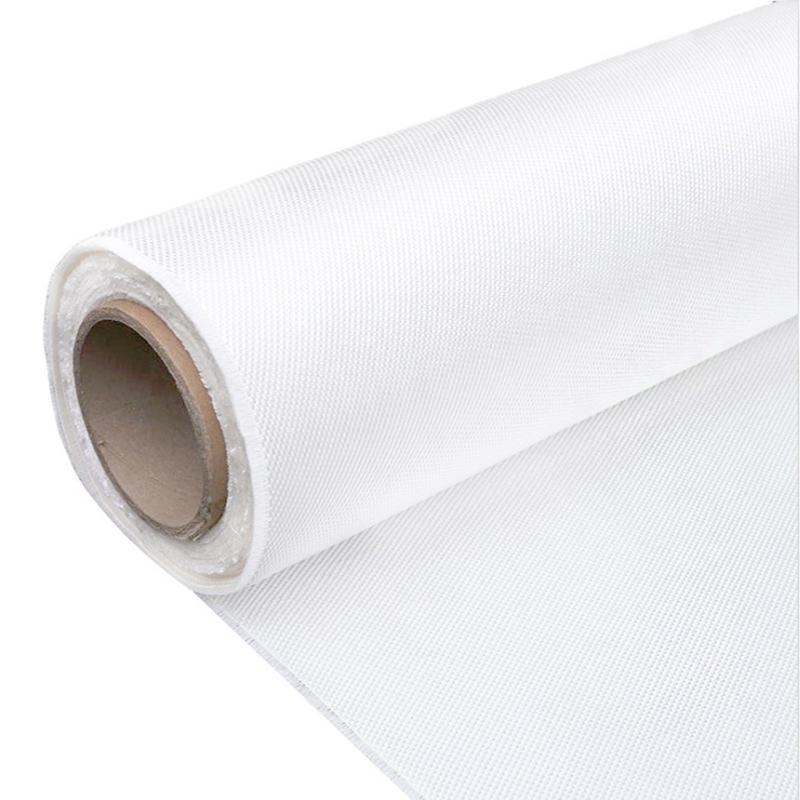
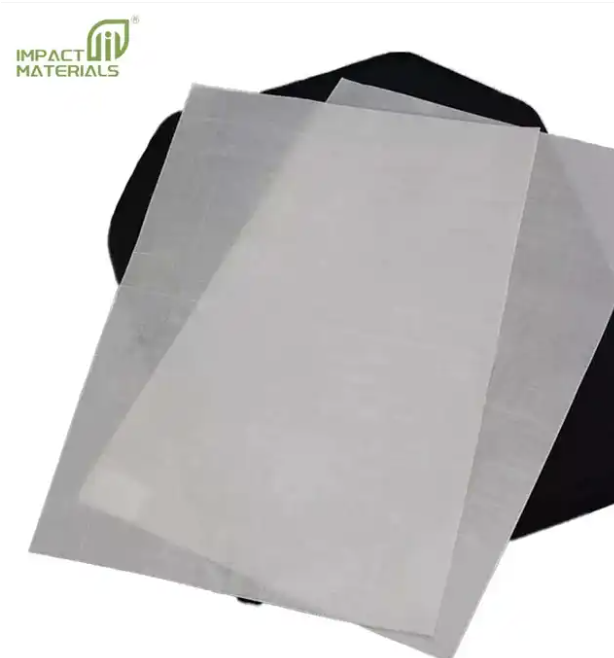
Discover top-tier UHMWPE medical implant products from Impact Materials, relied upon by manufacturers globally.
Acquiring UHMWPE Medical Implants
Criteria for Choosing Suppliers
Opt for suppliers that uphold ISO 9001 certifications and adhere to medical standards such as ISO 5834. With over 20 years of experience, Impact Materials assures high-quality products and dependable supply chains worldwide. Always request comprehensive product specifications and certifications to meet quality benchmarks.
Overcoming Procurement Obstacles
Concerns in procurement often involve ensuring material traceability and compliance with global standards. Impact Materials tackles these issues by providing detailed documentation and maintaining transparent supply chains. Our extensive service capabilities guarantee timely delivery and support.
For more information on suppliers and UHMWPE medical implants, refer to this guide on UHMWPE medical implant manufacturer.
Conclusion
UHMWPE medical implants offer unmatched durability and performance in medical applications. Selecting the right grade and supplier is critical to achieving the best outcomes. To explore more UHMWPE medical implant solutions, visit Impact Materials.